


Maritime Transport: How to Choose the Right Shipping Method
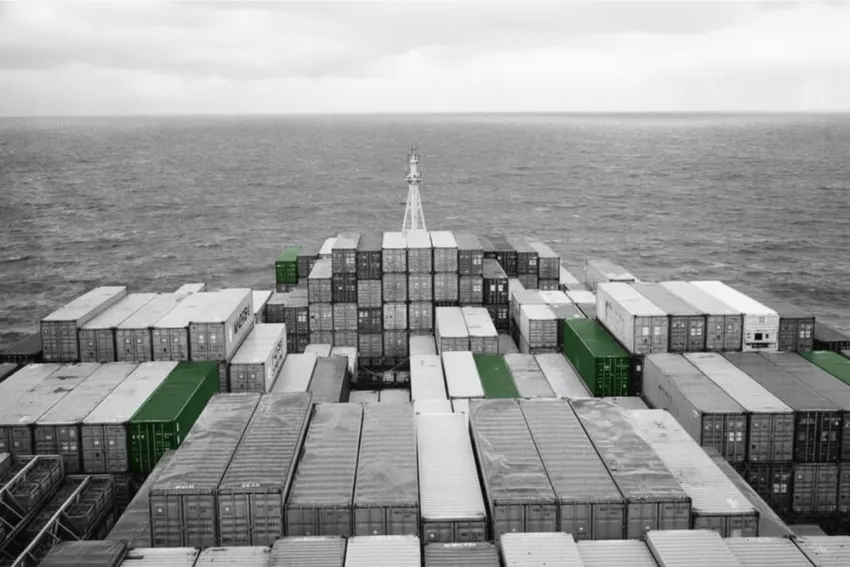
Maritime transport is a cornerstone of equipment and technical goods export projects. Often perceived as a standardized solution, it actually encompasses a wide range of shipping methods, each designed to address specific constraints related to volume, weight, destination, and lead time.
The choice of a maritime shipping method should therefore never be automatic. It directly impacts cargo safety, cost control, and the overall smooth execution of the project.
A Wide Range of Maritime Solutions
Maritime transport makes it possible to ship anything from small consignments to complete industrial assemblies. This flexibility is a major asset, provided that the most appropriate solution is selected for the specific context.
Consolidated Shipping (LCL)
Consolidation consists of grouping multiple shipments from different shippers into the same container, usually managed by a freight forwarder. This solution is particularly well suited to limited volumes or occasional shipments.
It allows for cost optimization but involves additional constraints: longer transit times, dependence on consolidation schedules, and multiple handling points.
Express Shipments and Small Parcels
For small or urgent shipments, express solutions can be considered, sometimes combining maritime transport with other modes. These options require a careful balance between cost, transit time, and the nature of the goods being transported.
Palletized Transport
Palletized shipping remains a widely used intermediate solution. It offers clear logistical visibility and facilitates handling operations, while remaining compatible with both consolidated and full-container shipments depending on volume.
Container Shipping
Full container shipping is preferred when volumes justify it. Various types of maritime containers are available depending on the nature of the cargo: standard containers, high cube, open top, flat rack, and specialized containers for specific loads.
The choice of container type directly affects cargo security, lashing possibilities, and port handling constraints at destination.
Out-of-Gauge and Project Cargo
Some projects require the shipment of oversized or overweight cargo. In such cases, maritime transport may involve specialized vessels or solutions such as breakbulk or project cargo.
These shipments require thorough preparation: feasibility studies, port constraints, lifting capacities, special permits, and close coordination between all parties involved.
The Importance of a Product- and Destination-Driven Choice
There is no universal solution in maritime transport. The right choice depends on the nature, value, and sensitivity of the goods, the volumes to be shipped, and the infrastructure available at both origin and destination.
An inappropriate shipping method can lead to additional costs, delays, or unnecessary risk to the cargo.
Conclusion
Maritime transport offers a wide range of solutions, but it requires careful analysis to make the most of them. Selecting the right shipping method, packaging, and logistics scheme is essential to securing a project.
Technical and logistics support helps guide this choice based on the project’s real constraints and ensures overall consistency between cost, lead time, and safety.