


Air freight: logistics under close scrutiny
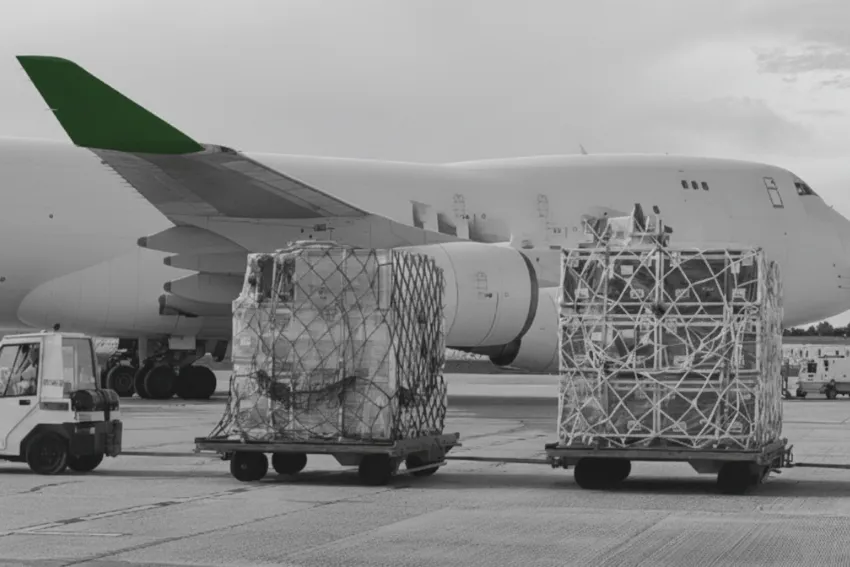
Air freight is often seen as the fastest and most secure solution for transporting technical equipment. This perception is partly true, but it conceals a more nuanced reality: air transport is also one of the most sensitive logistics modes, where even a minor oversight can result in delays, additional costs, or even complete shipment blocks.
In this context, document accuracy plays a central role. More than the distance traveled, it is often the quality of the shipping file that determines the success of the operation.
A Transport Mode That Is Demanding by Nature
Air freight is governed by strict rules driven by safety, security, and regulatory compliance requirements. Unlike other transport modes, tolerance margins are narrow and inspections are frequent.
Technical equipment, in particular, is often subject to specific constraints: nature of materials, high value, dimensions, batteries, sensitive components, or special classifications. All of these factors must be anticipated well in advance of shipment.
The Key Role of Shipping Documentation
In air freight, documents are not mere administrative formalities. They form the backbone of the logistics chain. The air waybill, commercial invoice, packing list, and any required certificates or special declarations must be perfectly consistent with one another.
Incomplete, inaccurate, or inconsistent information can be enough to immobilize a shipment sometimes with no possibility of quick correction. The consequences are immediate: delays, additional charges, project rescheduling, or the unavailability of equipment on site.
Often Underestimated Risks
The main risk in air freight does not lie solely in the transport itself, but in everything surrounding it. An incorrect cargo description, improper classification, or a missing document can trigger additional inspections or even lead to a refusal to load.
These situations are especially critical given the tight timelines and the limited options for temporary storage or document amendment in the airport environment.
The Importance of a Controlled and Anticipated Approach
A successful air shipment relies on rigorous preparation. This means a thorough understanding of regulatory requirements, anticipation of the specific constraints related to the equipment being transported, and complete consistency across all documentation.
Such an approach not only secures the transport itself, but also protects project timelines, costs, and operational continuity.
Conclusion
Air freight is a powerful but demanding logistics tool. Its speed should not overshadow its sensitivity. Poor document management can quickly turn an advantage into a constraint.
Relying on expert support that masters the technical, logistical, and documentary aspects helps reduce risk and ensures this transport mode is handled with the level of vigilance it requires.