


Steel grade selection : Impact on cost and performance
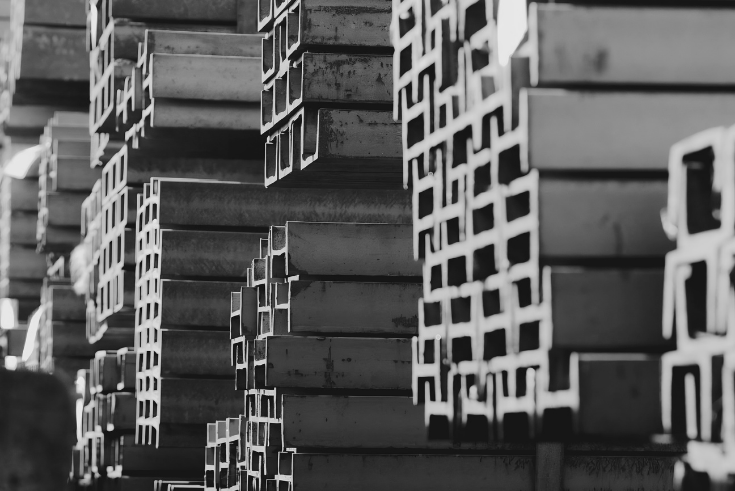
In structural steel construction, choosing the right steel grade is not just a technical decision it directly affects structural strength, durability, and compliance with current standards.
With multiple designations (S235, S275, S355), evolving European standards, and project-specific constraints, it’s easy to get confused. Yet, poor selection can lead to increased costs, structural risks, or regulatory non-compliance.
In many industrial and structural projects, misinterpreting steel grades leads to unnecessary overdesign, directly increasing material and fabrication costs. Conversely, an optimized selection allows for reduced cross-sections, improved project profitability, and a more secure execution phase.
In this article, we provide a clear, practical guide to help you understand, compare, and select the most suitable steel grade for your needs.
Understanding Steel Grades in Structural Steel Construction
In practice, a common issue is confusion between old and new steel designations. Misinterpretation can lead to suboptimal substitutions, particularly when rehabilitating existing structures or managing multi-standard inventories. A systematic verification of actual mechanical properties remains essential before any technical validation.
A steel grade refers to a set of mechanical and chemical properties defined by standards, particularly EN 10025 for structural steels.
The current designation system is mainly based on:
- Yield strength (e.g., S235 = 235 MPa)
- Mechanical properties (strength, ductility)
- Usage conditions (weldability, toughness, etc.)
Historically, steel grades have evolved to provide:
- Improved performance consistency
- Better weldability
- Greater resistance to environmental stresses
This evolution explains the coexistence of old and new designations, often a source of confusion for professionals.
Main Steel Grades Used Today
S235: Standard Steel for General Structures
- Yield strength: 235 MPa
- Applications: lightly loaded structures, secondary elements
- Advantages: cost-effective, easy to work with
- Limitations: lower mechanical strength
Ideal for projects with low structural demands.
S275: A Balance Between Cost and Performance
- Yield strength: 275 MPa
- Applications: intermediate structures
- Advantages: stronger than S235
- Limitations: less commonly used than S355 in demanding projects
A balanced solution for standard projects with moderate constraints.
S355: The Benchmark for High-Performance Structures
- Yield strength: 355 MPa
- Applications: steel frameworks, bridges, heavy structures
- Advantages:
- excellent mechanical strength
- good ductility
- optimized section sizing
Today, the most widely used grade in industrial and technical projects.
Economic Impact of Steel Grade Selection
Choosing between S235, S275, and S355 is not only about mechanical strength—it directly affects material quantity, structural weight, and overall project cost. In many cases, higher-performance steel allows significant reduction in section sizes and structural optimization, despite a higher unit cost.
Key Criteria for Selecting the Right Steel Grade
1. Mechanical Constraints
The higher the loads, the higher the required yield strength. Using steel like S355 allows smaller sections while maintaining strength.
2. Environmental Conditions
- Humid or corrosive environments
- Outdoor exposure
- Temperature variations
Specific steels (e.g., weathering steels) may be required in aggressive environments.
3. Weldability
Modern steels are generally easier to weld, but:
- Older or high-carbon steels may present challenges
- Weld quality directly impacts structural safety
4. Regulatory Requirements
Projects must comply with:
- European standards (EN 10025, Eurocodes)
- Sector-specific requirements (construction, industry, energy)
Steel grade selection must always be validated within this regulatory framework.
5. Cost Optimization
Higher-performance steel (like S355) may:
- cost more per ton
- reduce material quantities
- simplify structural design
The right choice is always a balance between cost and performance.
Common Mistakes to Avoid
Choosing based only on price: cheaper steel can generate higher design or maintenance costs
Ignoring standard equivalences: old and new grades are not always directly interchangeable
Underestimating project constraints: each project requires specific analysis
Overlooking implementation: even high-performance steel can fail if poorly used
Do not confuse mechanical strength with overall structural performance. A higher grade does not guarantee better results if design, connections, or execution are inadequate.
Trends in Structural Steel
The sector has evolved significantly in recent decades with:
- improved manufacturing processes
- development of high-yield-strength steels
- better weldability control
- emergence of more durable, environmentally adapted steels
Today’s steels enable:
- lighter structures
- improved durability
- overall project optimization
Support from Vincio Equipment & Services in Steel Grade Selection
In an environment with increasing technical and regulatory demands, material selection cannot be reduced to a simple product choice.
At Vincio Equipment & Services, we support professionals with both technical and operational expertise to secure every stage of their projects.
Fast Access to Reliable Solutions
Our added value lies in delivering practical and efficient solutions:
Access to a network of major manufacturers
Fast material availability
High responsiveness to your requests
Optimized transport and on-time delivery
Result: significant time savings and improved project reliability.
We also provide early-stage support to guide technical decisions:
- Project needs analysis (mechanical, environmental, operational constraints)
- Guidance toward the most suitable steel grade
- Cost/performance optimization
- Anticipation of implementation constraints (welding, assembly, availability)
- Compliance with applicable standards
Cet accompagnement permet de fiabiliser les choix techniques tout en optimisant la performance globale des structures.
Conclusion
Steel grade selection is a strategic lever in any structural steel project it should never be left to chance.
Between mechanical requirements, environmental constraints, regulatory standards, and economic challenges, expert guidance is essential to ensure:
- structural safety
- regulatory compliance
- overall project performance
Looking to optimize material selection from the design phase of your steel project?
Our teams support you in:
- reducing overdesign
- optimizing cost/performance
- securing compliance with standards
Contact us for personalized support.