


Steel Prices in Europe: Market Tensions and Rising Costs
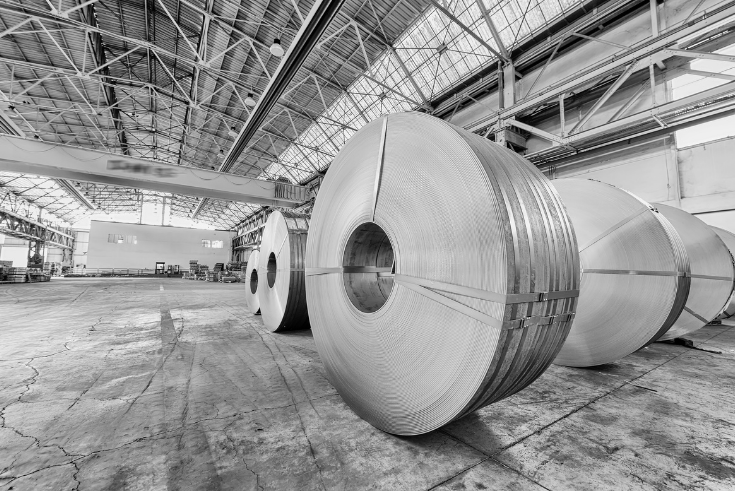
The global steel market is currently experiencing a period of significant instability. Geopolitical tensions, rising energy costs, and logistical disruptions are driving rapid price increases and complicating raw material sourcing for European and Asian industrial players.
Since the implementation of the European CBAM (Carbon Border Adjustment Mechanism) on quarto plates, several additional factors have further intensified market pressure.
The recent conflict involving Iran is having a direct impact on energy prices, logistics flows, and steel supply. In this context, anticipating price increases has become crucial for industrial companies.
Rising Energy Costs: a Key Driver of the Steel Market
The escalation of tensions in the Middle East is causing a sharp increase in global oil and gas prices.
In the steel industry, energy plays a central role in:
- Steel production
- Raw material processing
- International transportation of steel products
The rise in energy costs directly impacts production and transportation expenses, leading to higher steel prices in the European market.
Disruptions to Maritime Routes and International Logistics
The geopolitical situation is also affecting major global shipping routes:
- Closure of the Strait of Hormuz
- Diversion from the Suez Canal by many carriers to avoid high-risk areas
- Extension of maritime transit times by approximately two weeks
- Increase in freight costs and delivery lead times
These logistical disruptions are placing additional pressure on supply chains for European and Asian industries.
Iran: a Major Player Limited by Sanctions
Iran ranks among the world’s top ten steel producers, with approximately 11 million tonnes of slabs produced annually.
Slabs are essential for the production of:
- Steel coils
- Quarto plates and sheets
Due to international sanctions, these slabs are primarily exported to Gulf countries and Asia, but not to Europe.
The sudden reduction in Iranian exports is forcing buyers to seek alternative suppliers, further driving up prices. Even in the event of a de-escalation, a return to normal conditions could take several months.
Gulf Steel Mills Under Pressure
Steel mills in Gulf countries are facing:
- Difficulties in sourcing slabs
- Increasing logistical constraints
Some plants are already considering invoking force majeure, which could limit their production and export capacities in the coming months.
Impact on European and Asian Markets
In Asia
Asian producers were already impacted by European safeguard measures, limiting export volumes to the European Union.
They now also face:
- Rising energy costs
- Increased maritime freight rates
- Uncertainty linked to the conflict in Iran
Some mills have temporarily suspended their tenders, awaiting better market visibility.
In Europe
- European steelmakers have increased prices by approximately €100 per tonne over the past two months
- Order books remain strong, with extended production lead times
- Some producers have temporarily withdrawn commercial offers to stabilize the market
Rising energy costs continue to weigh heavily on European production.
A Market Increasingly Driven by External Factors
Steel prices are no longer driven solely by demand. Key influencing factors now include:
- Geopolitical tensions
- Energy price volatility
- Logistical disruptions
- Availability of raw materials
- Changes in European regulations
These dynamics could lead to further significant price increases in the coming months.
Anticipate and Secure Your Industrial Projects with Vincio Equipment & Services
In such a volatile environment, anticipation is essential.
At Vincio Equipment & Services, we:
- Monitor market developments and logistical constraints
- Support our clients in securing their industrial projects
- Provide recommendations to integrate these changes into current and future project planning
Conclusion
Faced with a global steel market increasingly exposed to geopolitical tensions, energy fluctuations, and regulatory constraints, industrial players must now incorporate an unprecedented level of uncertainty into their sourcing strategies. The current situation demonstrates that steel prices and availability can evolve rapidly under the influence of external and sometimes unpredictable factors.
In this context, anticipation, diversification of supply sources, and continuous market monitoring have become essential levers to secure industrial projects and mitigate cost increases.
More than ever, relying on partners capable of analyzing market trends and supporting strategic decision-making enables companies to gain visibility and resilience in an ever-changing industrial environment.