


Middle East Crisis: Global Supply Chains Under Pressure
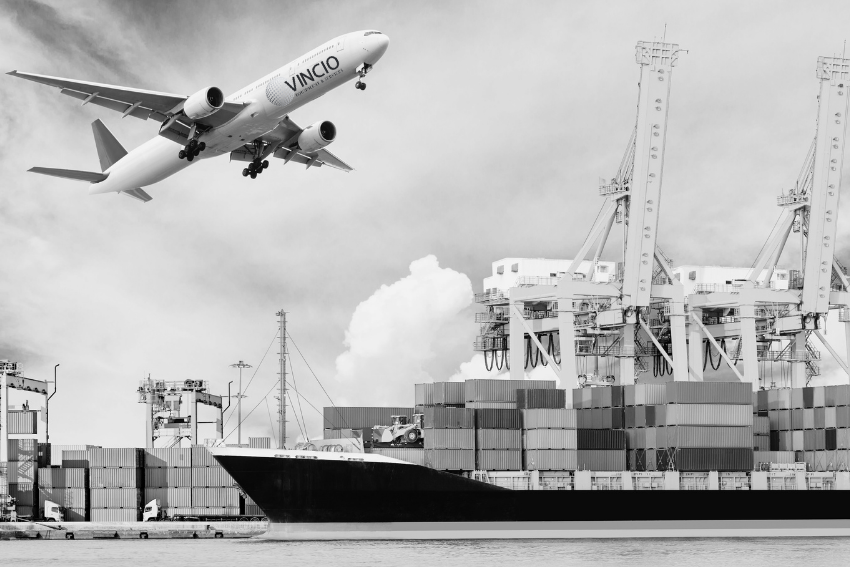
The geopolitical crisis in the Middle East, which has intensified since early March 2026, is causing major disruptions to maritime transport, air freight, and global supply chains.
More than 40% of regional air traffic has been cancelled or rerouted, directly impacting international air cargo. Key strategic hubs such as Dubai, Doha, and Abu Dhabi are facing significant operational restrictions.
The Strait of Hormuz and the Red Sea critical maritime corridors for global trade are now considered high-risk areas, leading to an almost complete halt in vessel traffic and severely disrupting global logistics flows.
Impacts on Maritime Transport
The main consequences for maritime transport include:
- Nearly complete halt in shipping traffic
- Systematic rerouting of ships via the Cape of Good Hope, extending transit times
- Temporary suspension or reduced operations at several ports in the Gulf
Affected Ports
Closed or partially restricted:
- Bahrain, Kuwait, Qatar, United Arab Emirates (except Fujairah and Khor Fakkan)
- Saudi Arabia (except Jeddah, King Abdullah Port, Yanbu, NEOM)
- Iraq (Umm Qasr Port)
Open ports:
- Fujairah and Khor Fakkan (United Arab Emirates)
- Jeddah, King Abdullah Port, Yanbu, and NEOM (Saudi Arabia)
Many shipping lines have adjusted their routes and port calls, and some carriers have temporarily suspended new bookings to the Persian Gulf.
Impacts on Air Freight and Supply Chains
Current disruptions are affecting all logistics flows:
- Massive suspension or rerouting of cargo flights
- Significant reduction in air freight capacity
- Increasing congestion at international hubs
- Disruption of key maritime transit corridors
Rerouting vessels via the Cape of Good Hope is now becoming standard practice, significantly increasing maritime transit times.
Economic Impacts to Anticipate
Beyond delays, several financial impacts are already being observed:
- Implementation of War Risk surcharges
- Increase in insurance premiums
- Rising ocean freight rates
- Air freight capacity saturation
- Increased oil price volatility impacting fuel surcharges across all transport modes
These factors directly affect logistics costs and international operations planning.
In this context, controlling international maritime and air transport flows has become a strategic priority to ensure supply chain continuity.
Our Commitment to Supporting You
In this uncertain environment, the safety of your goods and the reliability of your shipments remain our top priorities.
The Vincio team:
- Monitors geopolitical developments on a daily basis
- Anticipates potential restrictions
- Activates contingency plans
- Identifies alternative routes to minimize delays
Each shipment flow is carefully analyzed to ensure maximum operational security.
What to Expect in the Coming Days
Current trends indicate:
- Continued extension of maritime transit times
- Ongoing pressure on air freight capacity
- Rate adjustments linked to insurance premiums
- Energy instability impacting transport costs
Vigilance and anticipation are now essential in managing international logistics flows.
In this evolving environment, your usual contacts remain at your disposal to assess the impact on your shipments and adapt logistics solutions accordingly.